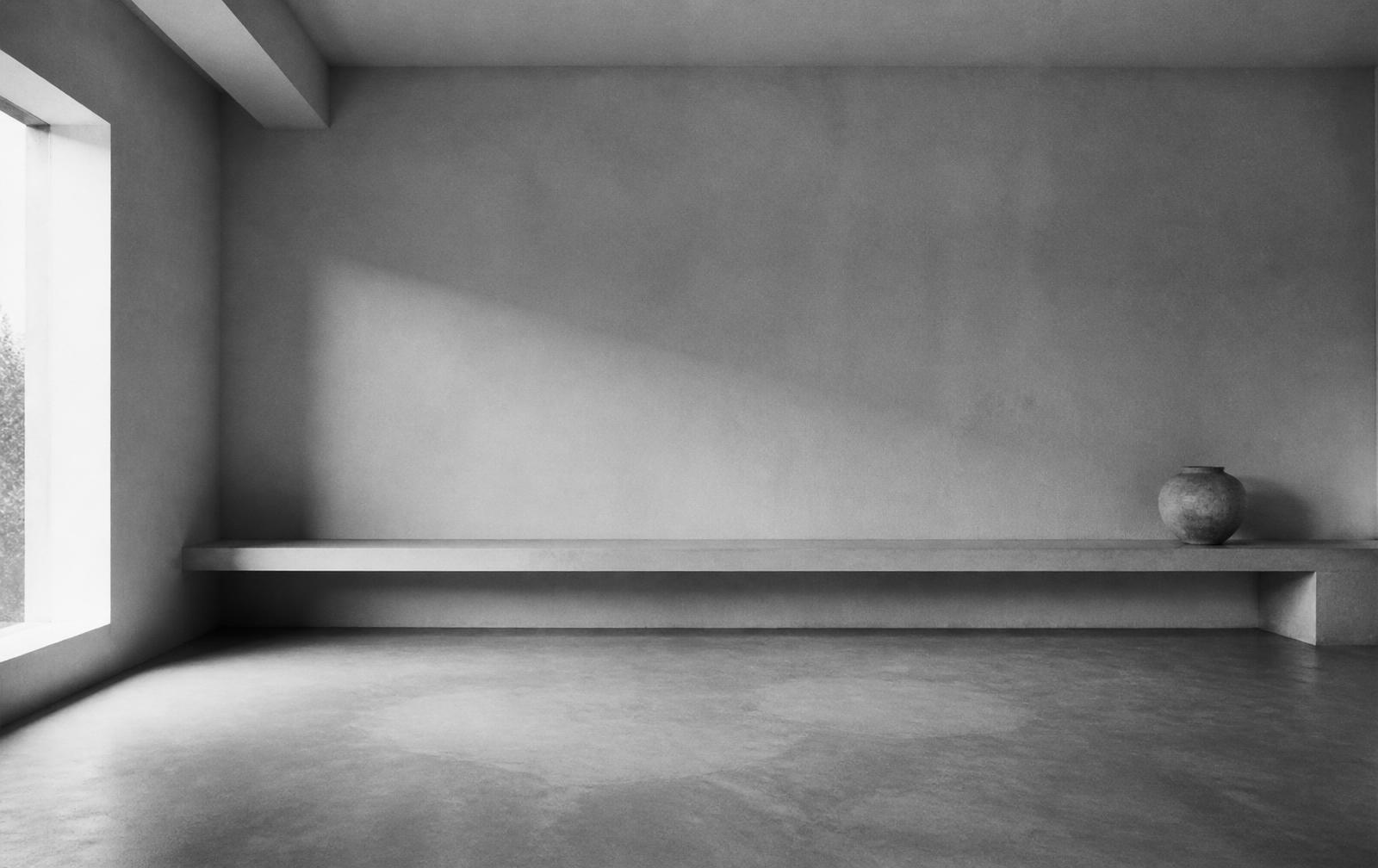
You can walk into a room you have not visited in years and still know which drawer holds the scissors. Almost no software gives you that.
What makes a place a place
Things stay where you left them.
The layout does not rearrange itself to be helpful.
Scale tells you what matters.
There is somewhere to stand and look around.
Most apps break the first rule immediately. Feeds reorder, cards reshuffle, algorithms rearrange the furniture while you are out.
Spatial memory is free. Most interfaces refuse to accept the gift.

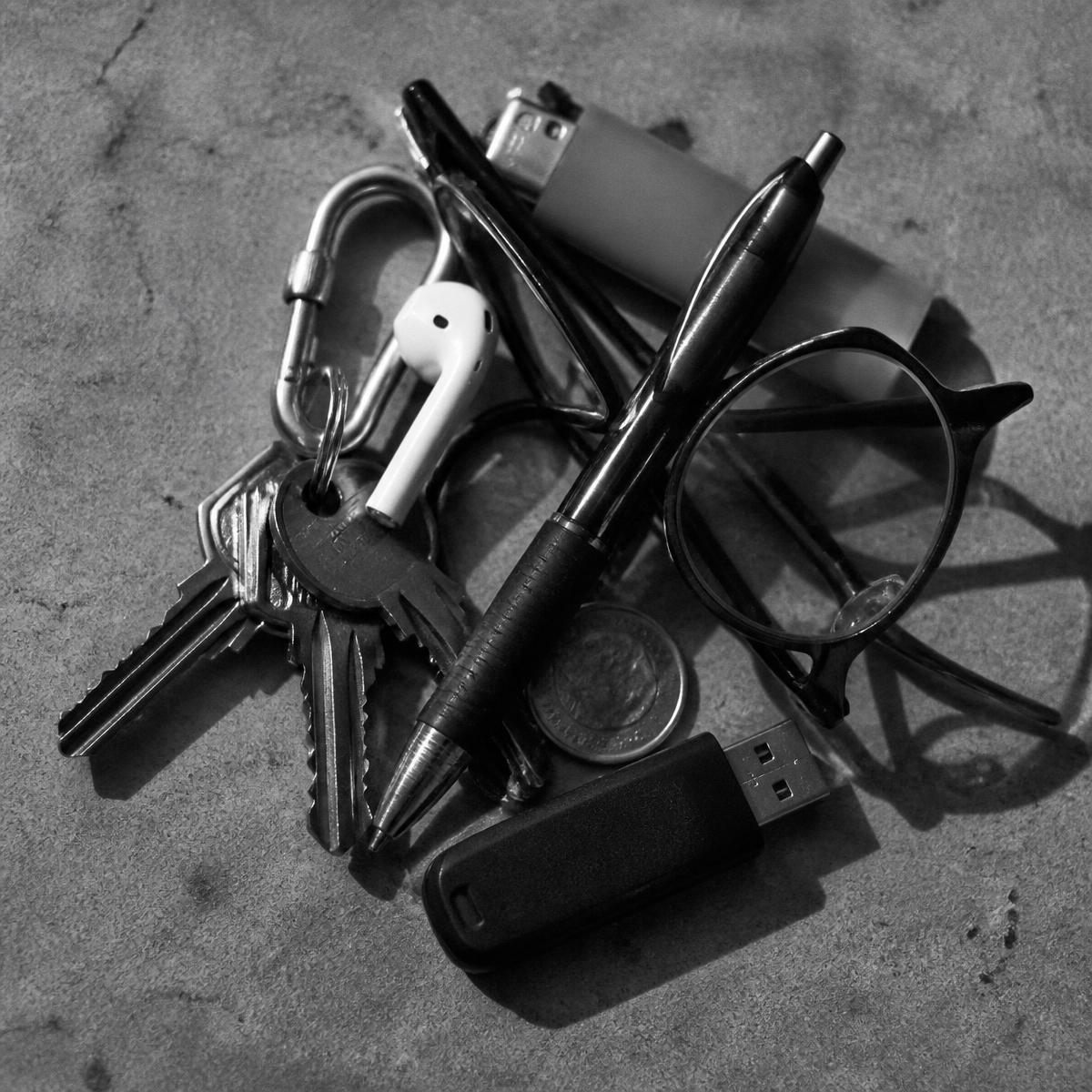
Designing for return
In Shelf that meant treating an idea as somewhere you can go, rather than a filter you apply. It has a name, a size, a history, and a reason its contents belong together.
Design for the second visit, not the first.
The first visit is impressed by novelty. The second visit is the one that decides whether a tool becomes part of your life.
Written by Dragoon.
design · space · interface
Keep reading